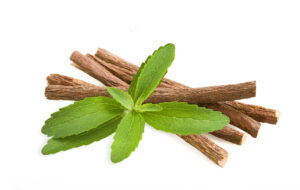
Liquorice
This flowering plant has a long history dating back to antiquity. The earliest references to the liquorice root date all the way back to 2300 BC, and its genesis was in China. The Emperor Shennong classified more than 300 different medicinal plants. Liquorice was one of them. Shennong believed that liquorice could be used as an antidote to toxins, to reduce aches and pains, and to cure other ailments. In Chinese, liquorice is called gan can, which means “sweet herb.”
From China, this medicinal root spread to India, Africa, and Europe. Ancient Assyrians and Egyptians also thought that liquorice was a good medicine. In ancient Scythia, which today is a region that encompasses Iran and parts of eastern Europe, liquorice was cultivated. Then it was imported to Greece. Greek philosophers and physicians were not the only ones in using liquorice! In fact, the soldiers of Alexander the Great chewed on liquorice to help keep their bodies and spirits up.
Though liquorice had been widely used in herbal remedies and prescriptions for all skin types up to all eye conditions, its sweetness lent itself to other uses. It was added to beer as well as alcoholic spirits and sweets.
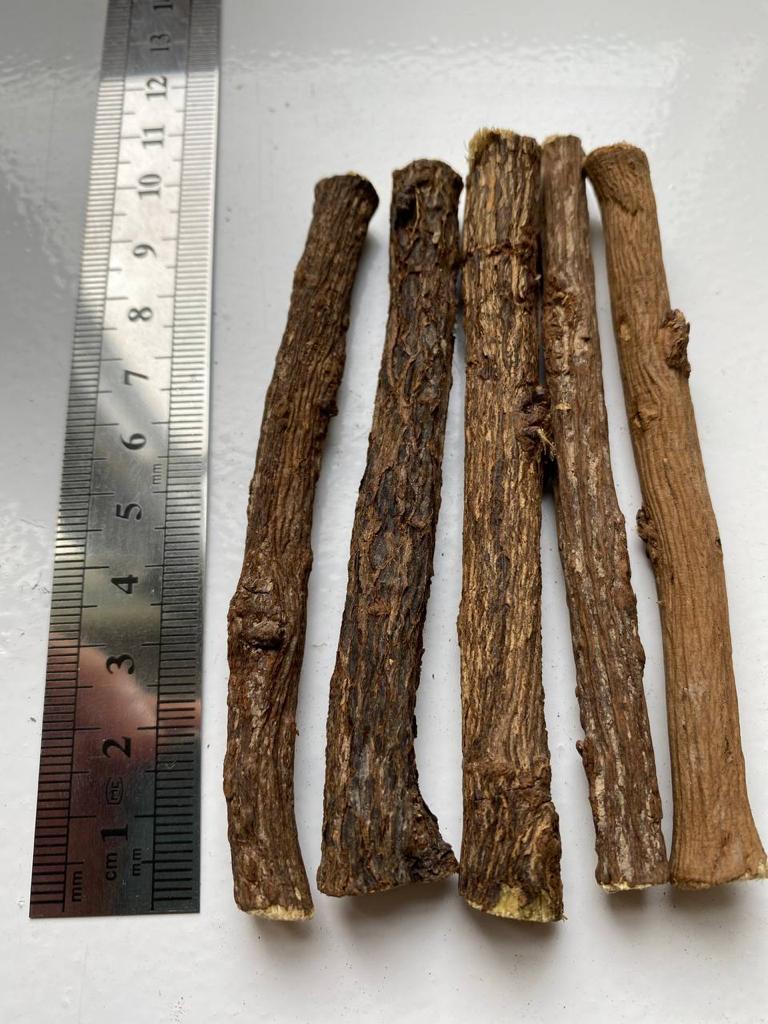
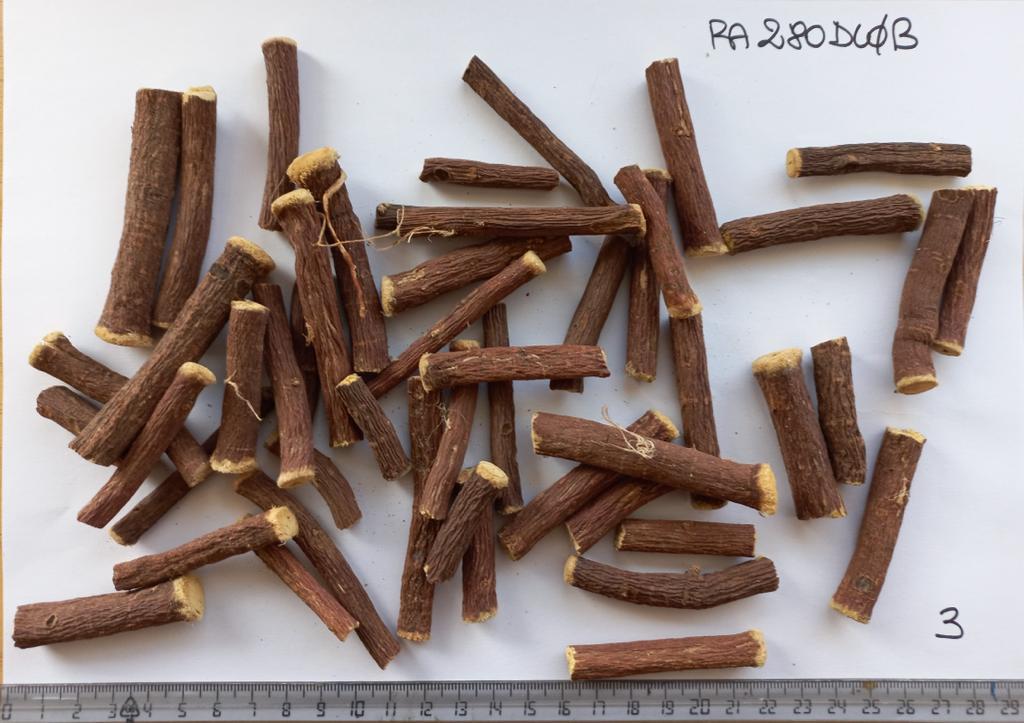
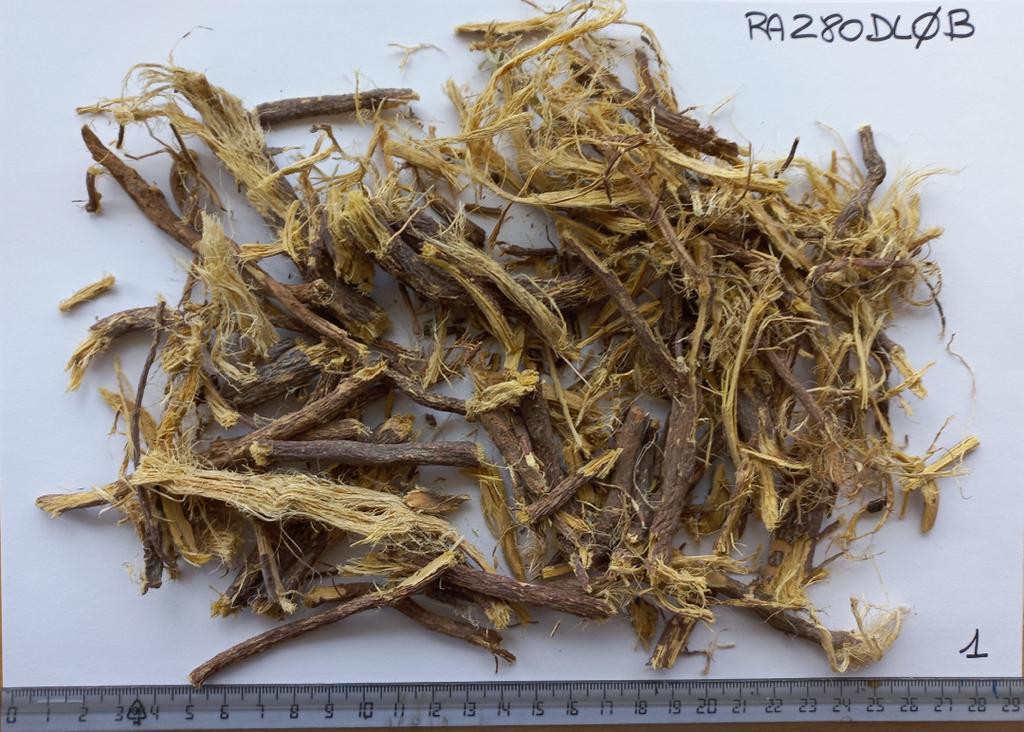
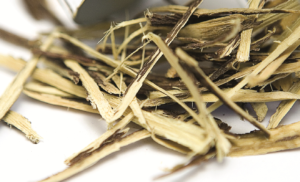
The liquorice roots are harvested from natural resources, which are free from any chemical and toxic agents. After the cleaning process the liquorice can be sliced, dried, cut, groung, chopped, all this according to the customers orders and requirements.
The different types of liquorice that we offer are: extract paste, solid extract blocks, yellowish brown extract powder, granulates, liquorice root powder and sticks. extract granules. We guarantee its origine and quality.
Thank you for your interest in our liquorice. If you have any questions and want to know more about this raw material,, and get a quotation, please do not hesitate to contact us. Thank you!
Application

Gallery