Tobacco
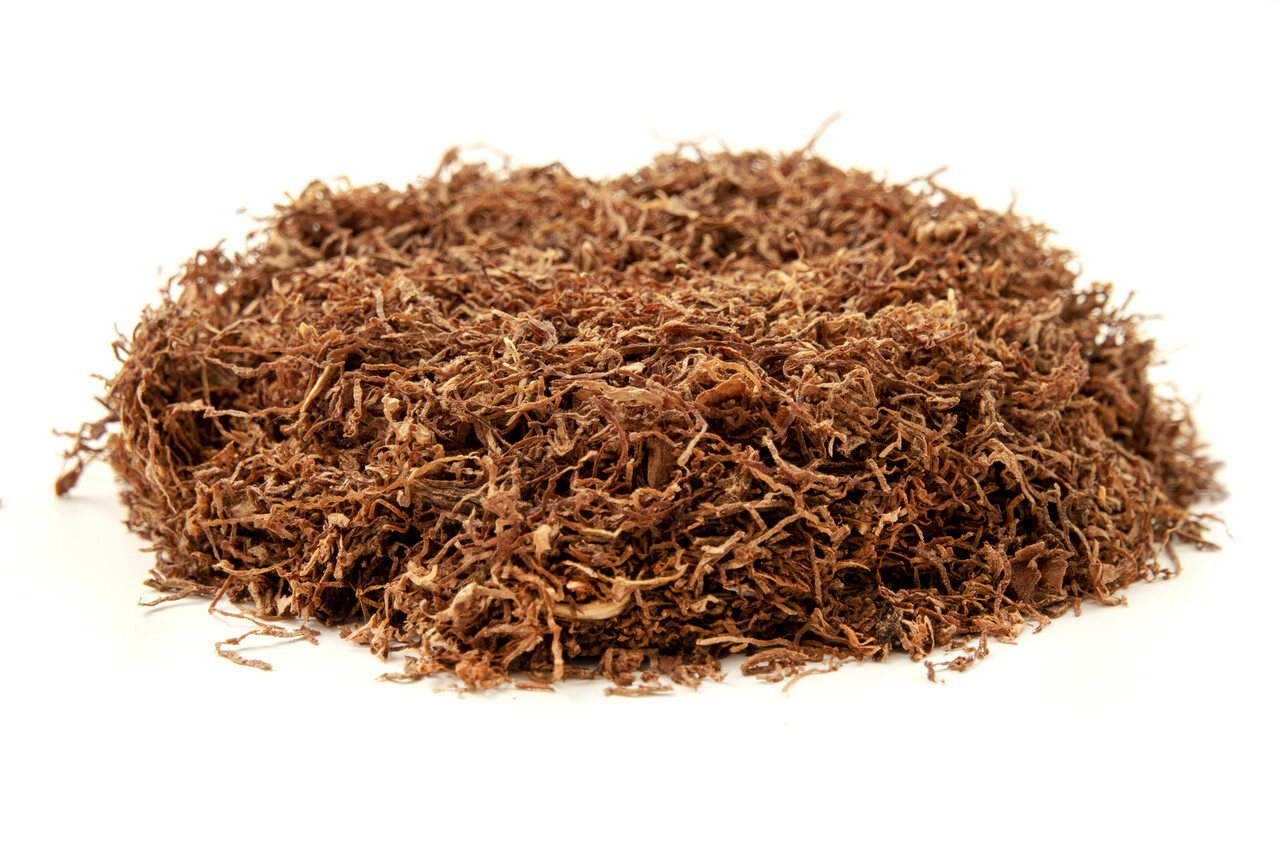
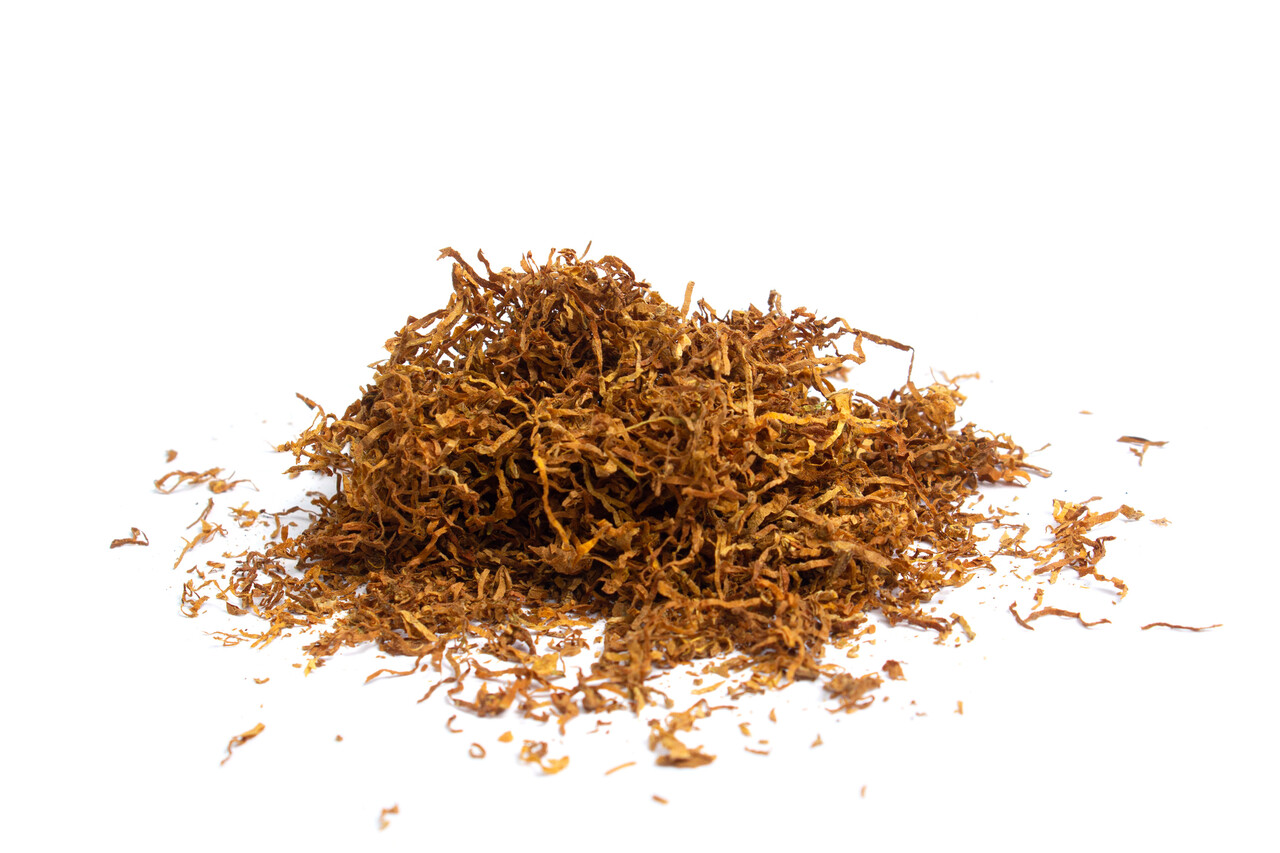
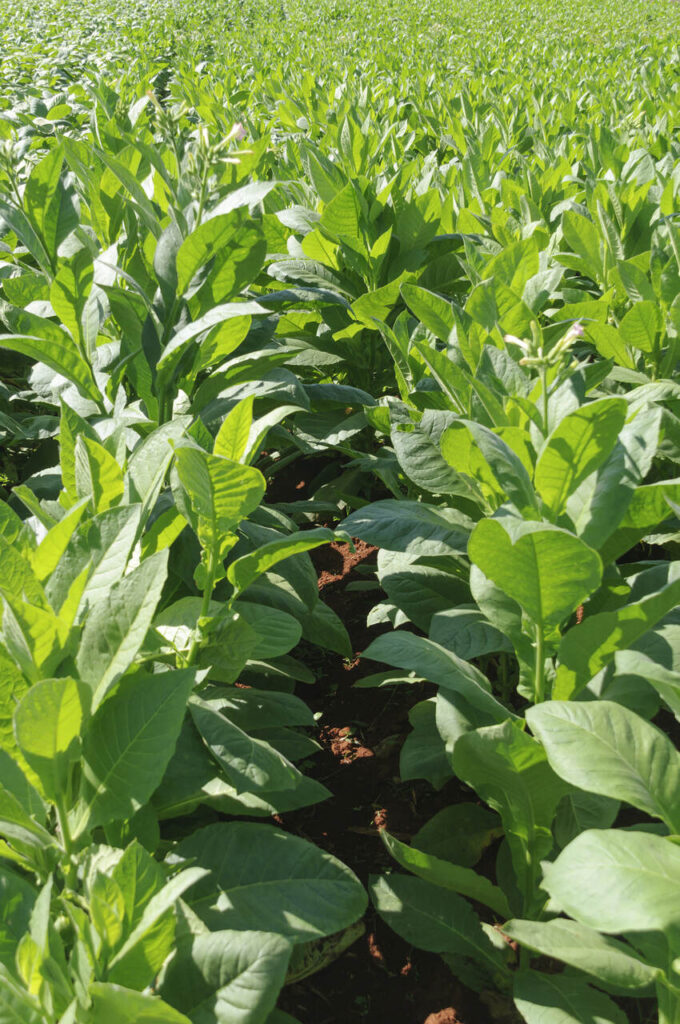
The tobacco plant (Nicotiana tabacum) is a species of the nightshade family, cultivated worldwide for its leaves, which are mainly used to make tobacco products such as cigarettes, cigars, and pipe tobacco after processing. Tobacco cultivation requires specific climatic conditions – it grows best in warm regions with moderate rainfall and well-drained soil.
The tobacco processing process begins with the harvesting of leaves, which are then dried. Tobacco can be dried in various ways, depending on the desired characteristics of the final product – the most popular methods are air-Drying, fire-drying, and chamber-drying. After drying, the leaves are fermented, which improves their aroma and taste, and reduces their sharpness. The dried tobacco is then sorted, cut, and packaged, ready to be used in the production of various tobacco products.
CRS
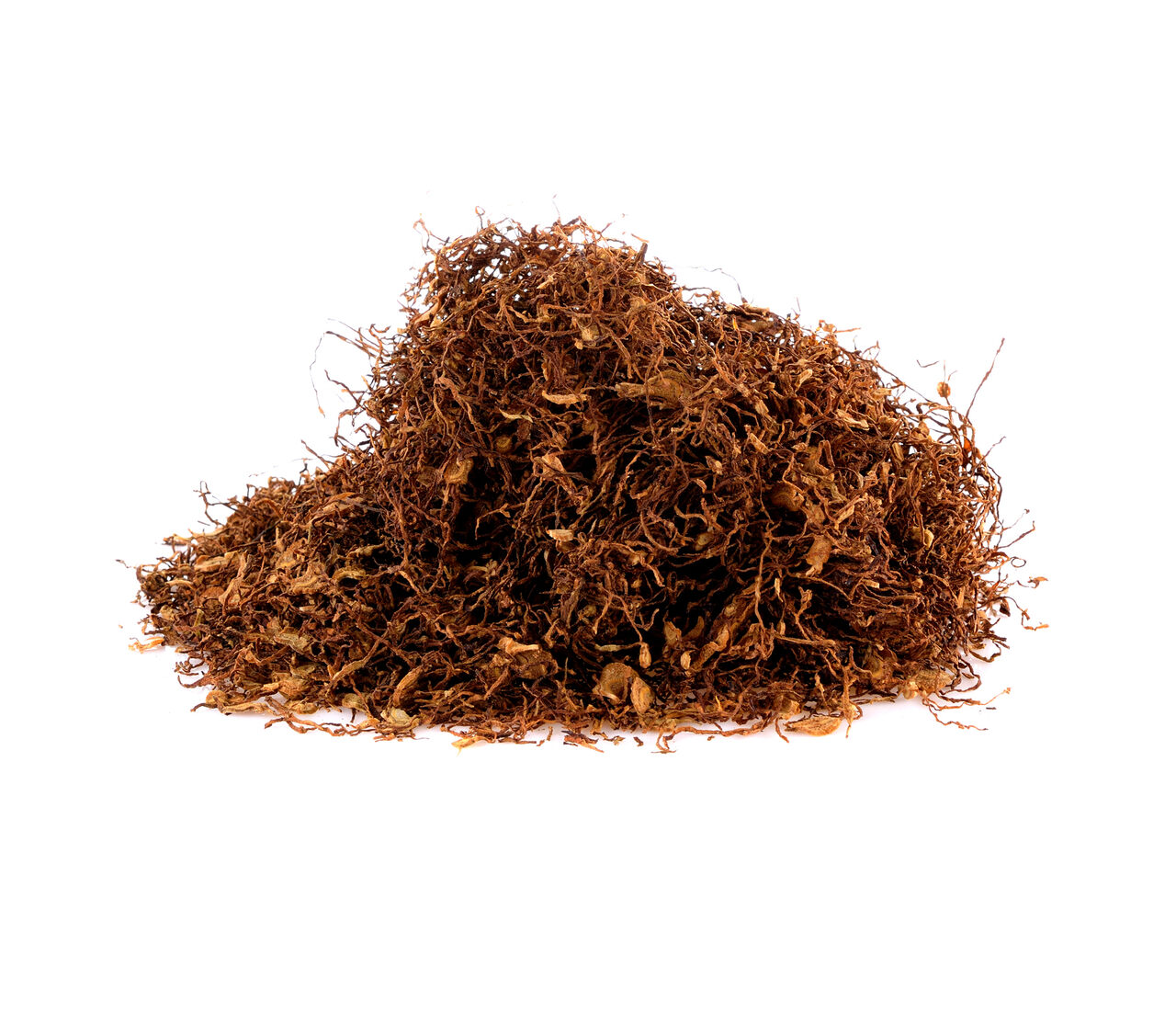
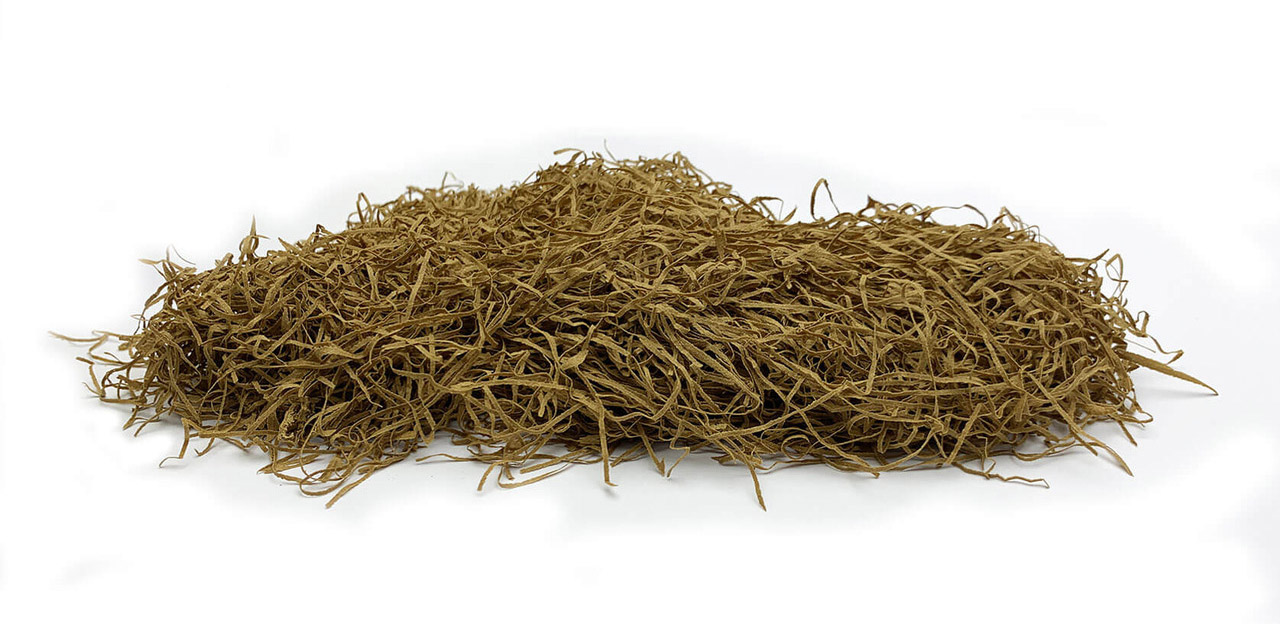
Cut Rolled Stems
Laboratory tests indicate that the content of 30% rolled stem in a tobacco blend can reduce the level of nicotine from 1.6 to 1.2 mg / cig and tar from 35 to 15 mg / cig.
Efficient use of raw materials
The main secondary product in the processing of raw tobacco is the central stem, which accounts for up to 25% of the weight of the tobacco leaf. In terms of chemical composition, the central stem is similar to tobacco leaf, with the exception of the nicotine content, which is about 25% of the content in the leaf blade. Meanwhile, the relatively large diameter and solid mechanical properties do not allow the tobacco stem to be used in its original form for the manufacture of quality cigarettes.
During the preliminary processing of raw tobacco, the central stem is separated from the leaf plate. The sheet plate is cut and composes 60-80% of the volume in the cigarette rod. The tobacco stem was not utilized until the middle of the last century, since it was not suitable for the production of cigarettes. Nevertheless, the stems make up a significant part of the tobacco leaf and contain tar, nicotine and other components inherent in tobacco, so in the past significant efforts were made to master this material, which in the 1970s led to the emergence of the cut rolled stem, (CRS).
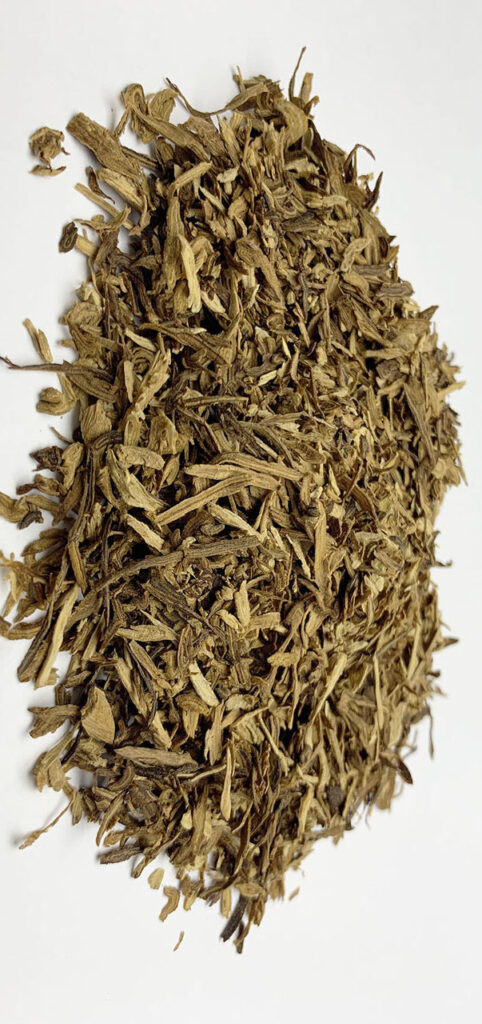
Currently, processed tobacco stems, in particular, rolled stems, not only solve the problem of rational use of raw materials, but also are one of the main means of reducing the level of harmful substances (tar, nicotine) in the production of cigarettes. Tasting evaluation of cigarettes which include rolled stem in the course of laboratory experiments, shows the possibility of using it in a blend in an amount of up to 20%. Today, when selecting a rolled stem with a neutral taste, its amount in the volume of a cigarette rod can be brought up to 30% without negatively affecting the taste characteristics of the blend.
Characteristics of Cut Rolled Stems
- Average fiber thickness – 0.1-0.2 mm
- Average cutting thickness – 0.1-0.2 mm
- Average cross-sectional area – 0.12-0.15 mm²
- Average fiber length – up to 50 mm
- Moisture – 11.5-13.5%
- Color – from light brown to dark brown
- Smell – pronounced tobacco
- Shelf life – 12 months
- Type of packaging – corrugated C-48 box with a polyethylene liner
Recon
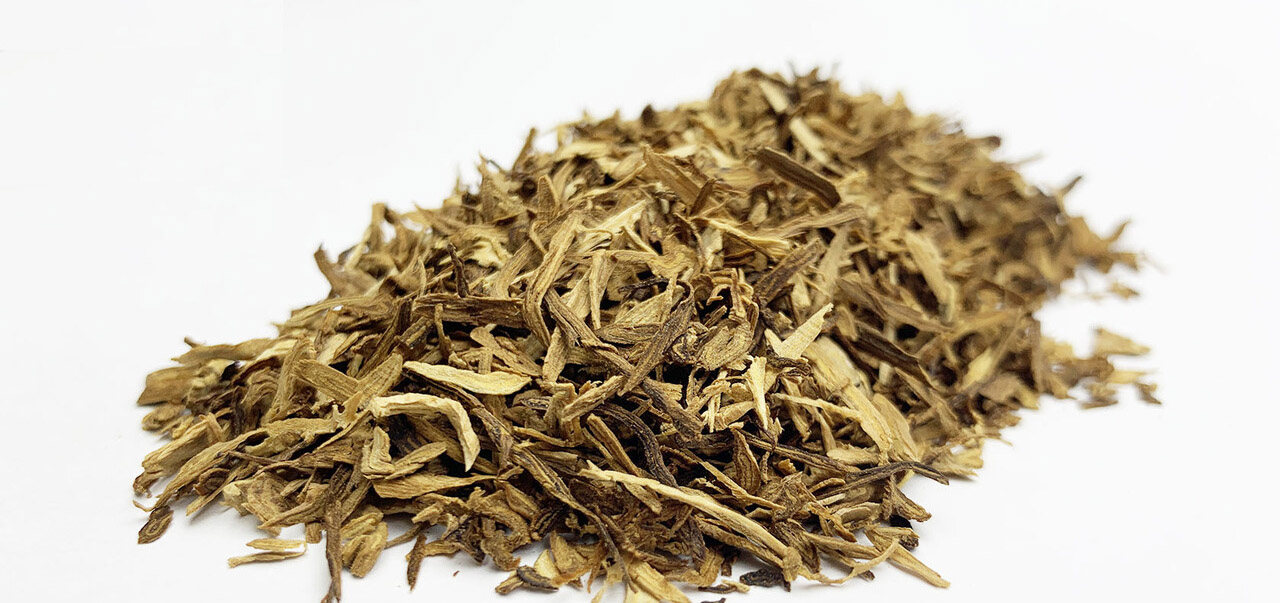
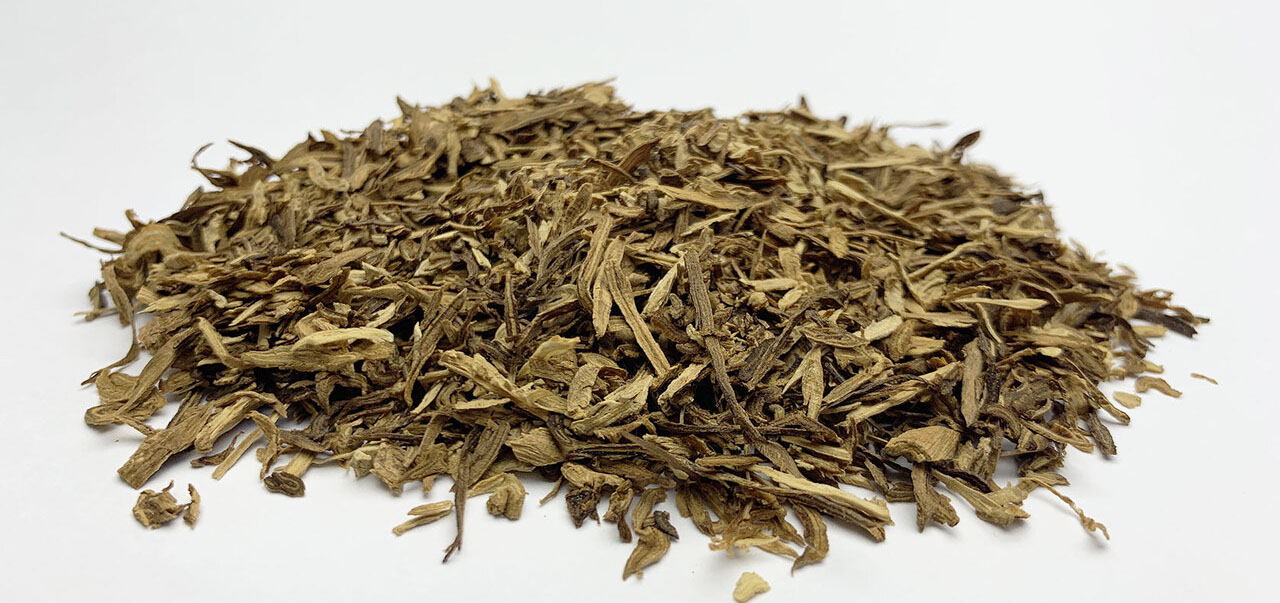
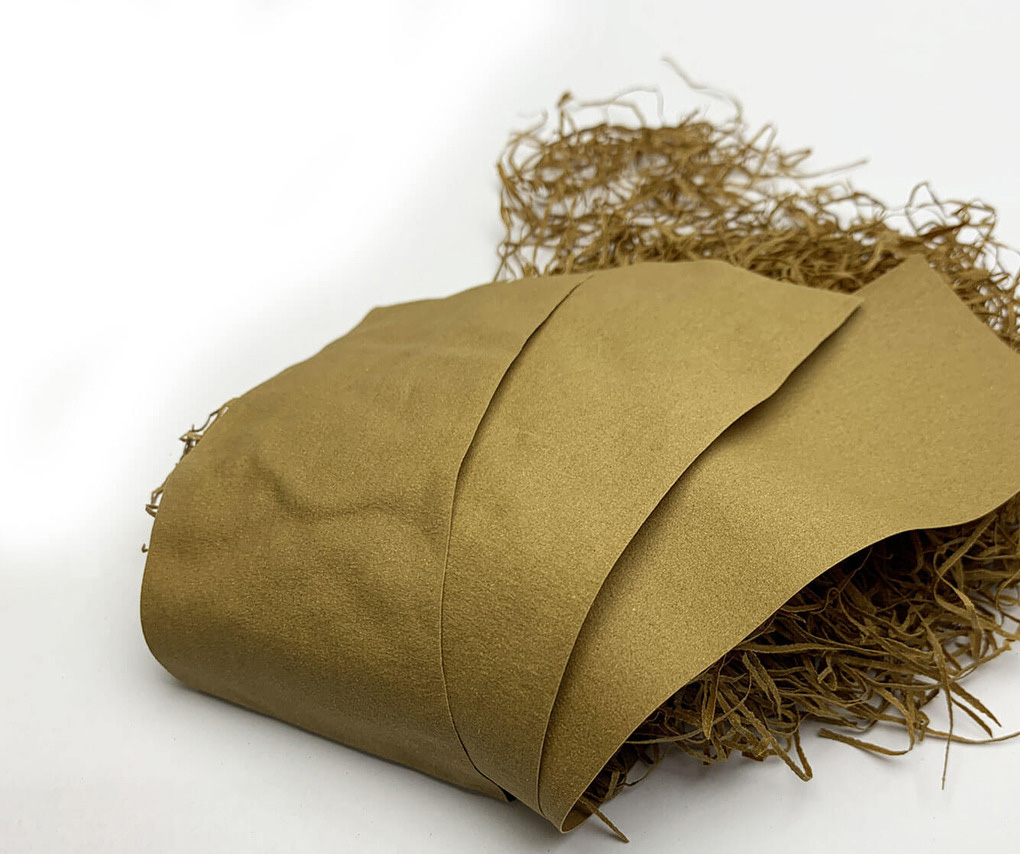
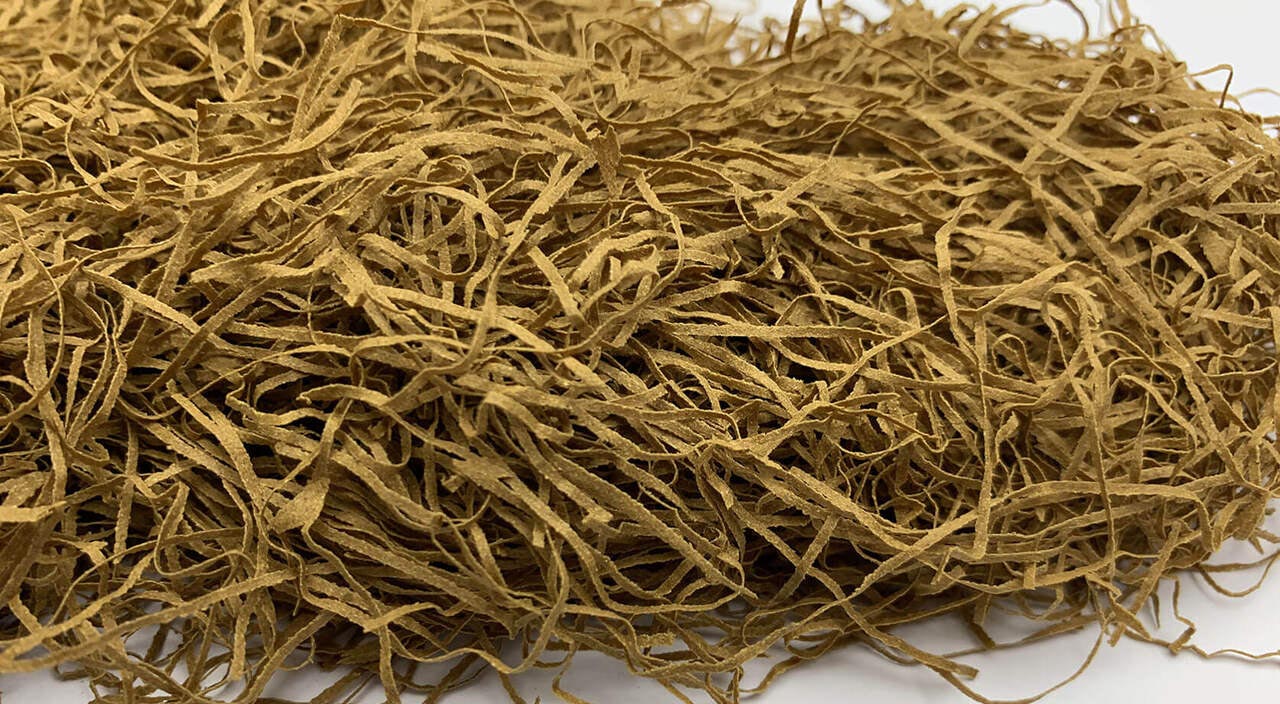
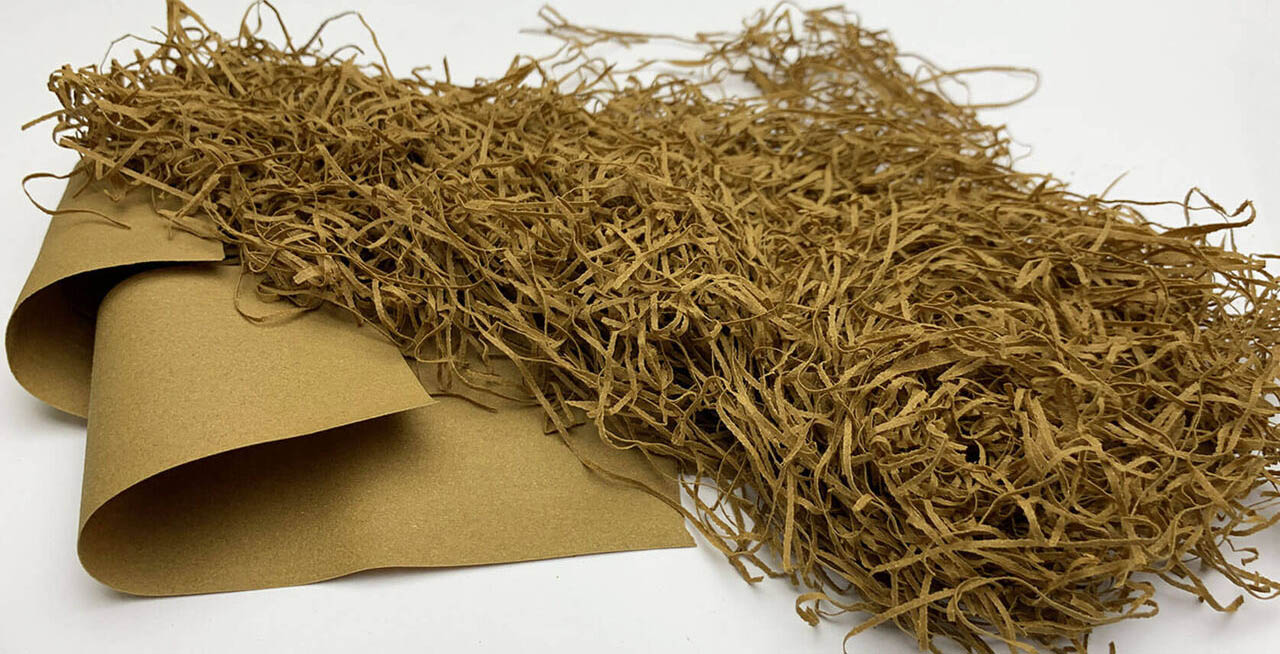
The first Recon Tobacco which is created by rolling on rolls and which retains its shape even in DCC.
Recon tobacco is a versatile product in the tobacco market, initially designed to reintegrate costly stems and scrap tobacco into production. Amidst the wave of tobacco control, it gained an additional benefit – the reduction of nicotine and tar content. Recon tobacco is primarily seen as a filler for cut rag tobacco, even though it has various applications in the tobacco industry, such as in cigarette paper, tobacco paper, and as a substitute for cigar wrappers and binders.
Our Recon Tobacco is the outcome of extensive laboratory research, resulting in enhanced strength and elasticity. Multiple tests conducted by cigarette manufacturers confirm its high standards. It has the capability to pass through the Direct Condition Cylinder (DCC) on the Primary Processing Line.
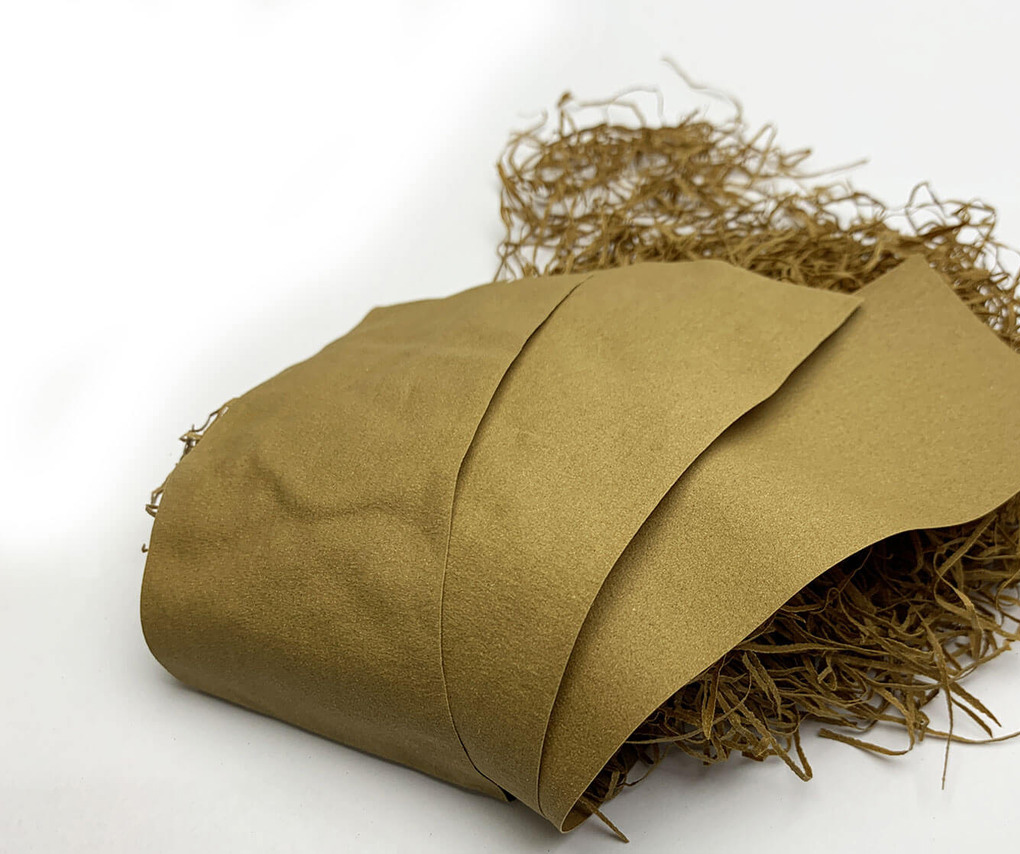
Recon tobacco rolling process on rollers
Contemporary advancements in recon tobacco production.
The rolling process is a type of pressing technique in which a tobacco sheet is formed under high pressure. It is known by trade names such as nano-fiber recon (pioneered by Recon INC. Brazil and Comas SPA Brazil), and the extrusion method. Flexible, gentle, efficient, and future-oriented – these are the crucial characteristics for tobacco industry production facilities. The rolling process for producing recon tobacco aligns with these principles, but with one minor drawback – it lacks the ability to pass through Direct Condition Cylinders (DCC). In a DCC, this type of recon tobacco breaks down into small fragments, requiring careful handling.
PROPER USE OF BY-PRODUCTS
Reconstituted tobacco leaf is a new technology in the field of recoverable resources in the tobacco industry. It is now widely used in the tobacco industry to create modern blends. After removing the stems from the tobacco leaf, the weight of tobacco raw materials becomes 68-78% of what it originally was. Approximately 22-32% of the losses are attributed not only to moisture loss, but also to by-products such as stems, tobacco leaf particles, tobacco fines and dust, which cannot be used as they are. We return these recultivation residues of tobacco leaves after the production of tobacco blends, which could be disposed of and wasted, into the technological process in the form of a pliablematerial with a high-quality set of characteristics. This raw material can be used in a tobacco blend in combination withcut tobacco for cigarette production.
Advances in tobacco chemistry and technologyat this stage allow us toproduce a new generation of reconstituted tobacco using the pressing method.While this technology is more efficient , it also produces many different types of high-quality and cost-effective reconstituted tobacco that can be used in blends and various types of cigarettes and cigars.
Welcome to the future of tobacco!
Reconstitution technology that produces an excellent end product – Reconstituted Tobacco Leaf.
Technology that allows you to fully control the parameters of nicotine, sugar and the aroma of tobacco blends. A technology that provides high volumetric filling, low breakdown rates and powerful economic benefits, as well as excellent aroma retention – which is especially important with Burley and oriental tobaccos.
Recon tobacco characteristics:
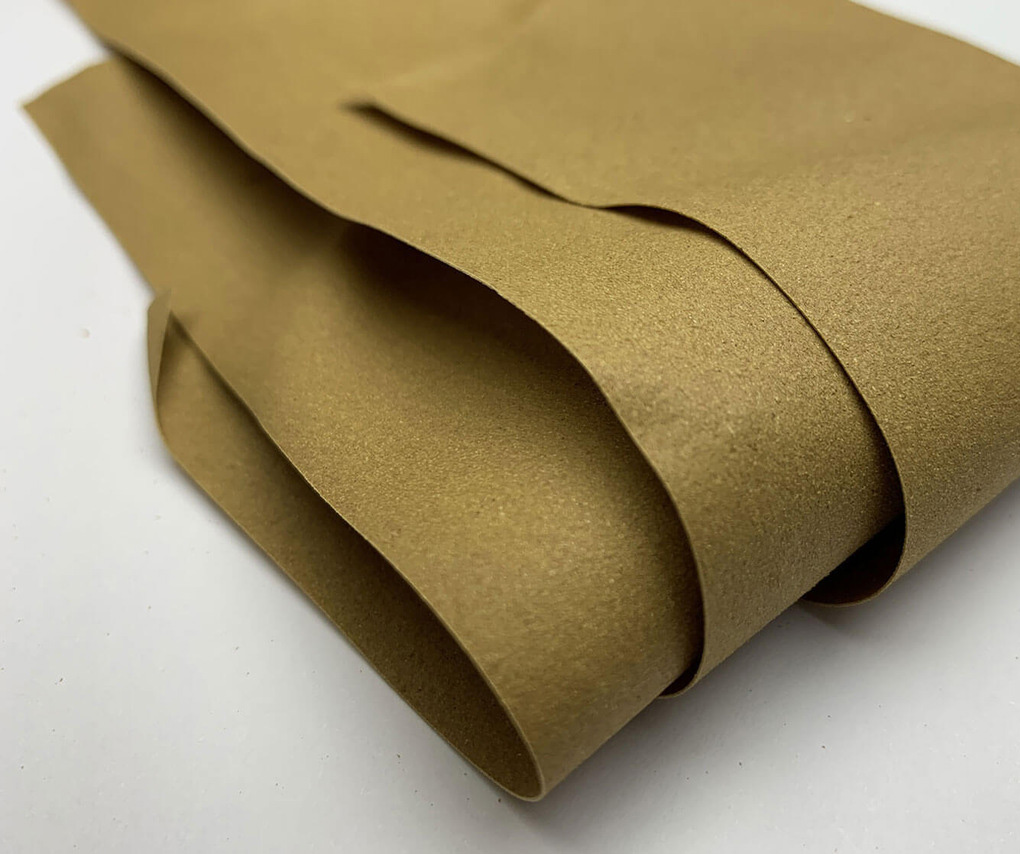
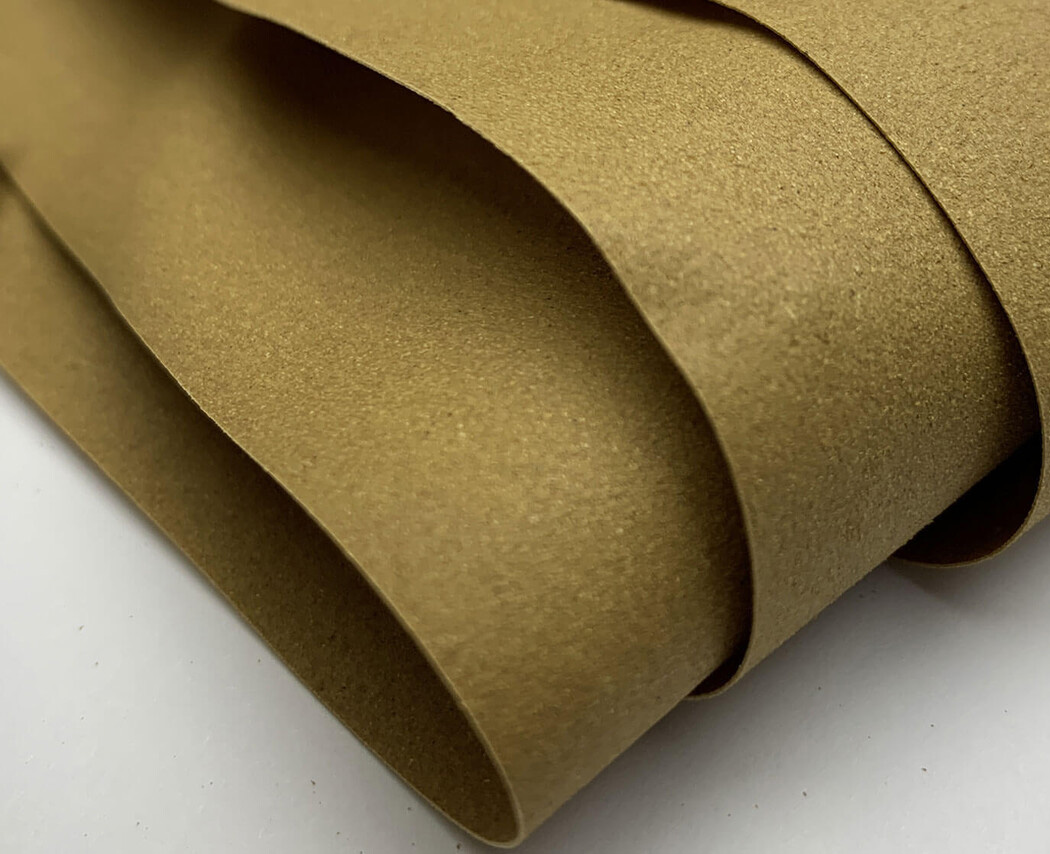
- Sheet thickness – no more than 0.25 mm
- Moisture – 11.5-13.5%
- Shape – sheets 10×10 cm / thin-cut fibers 0.9 mm wide
- Nicotine – 0.6-0.7%
- Carbohydrates – 10-12%
- Chlorides – less than 1.0%
- Weight of 1 m2 – 85-110 g
- Percentage of water-soluble substances by weight – not less than 30%
- Color – from light brown to dark brown
- Smell – pronounced tobacco
- Shelf life – 12 months
- Type of packaging – C-48 corrugated box with a polyethylene liner
Cut rag
Competitive advantage
The cost of raw tobacco in traditionally supplying countries has been steadily growing lately along with the expansion of the geography of possible suppliers. Innovative processing technologies have made it possible to develop balanced, high-quality yet cost-effective mixes of a variety of ingredients, including low-cost tobaccos used as fillers and medium to full-flavored raw materials. This trend in blending also means that there is a possibility of optimal use of a wider assortment of varieties and types of tobacco, as well as the fullest possible use of by-products – stems, small particles of tobacco, tobacco leaf waste, recycling waste and tobacco dust.
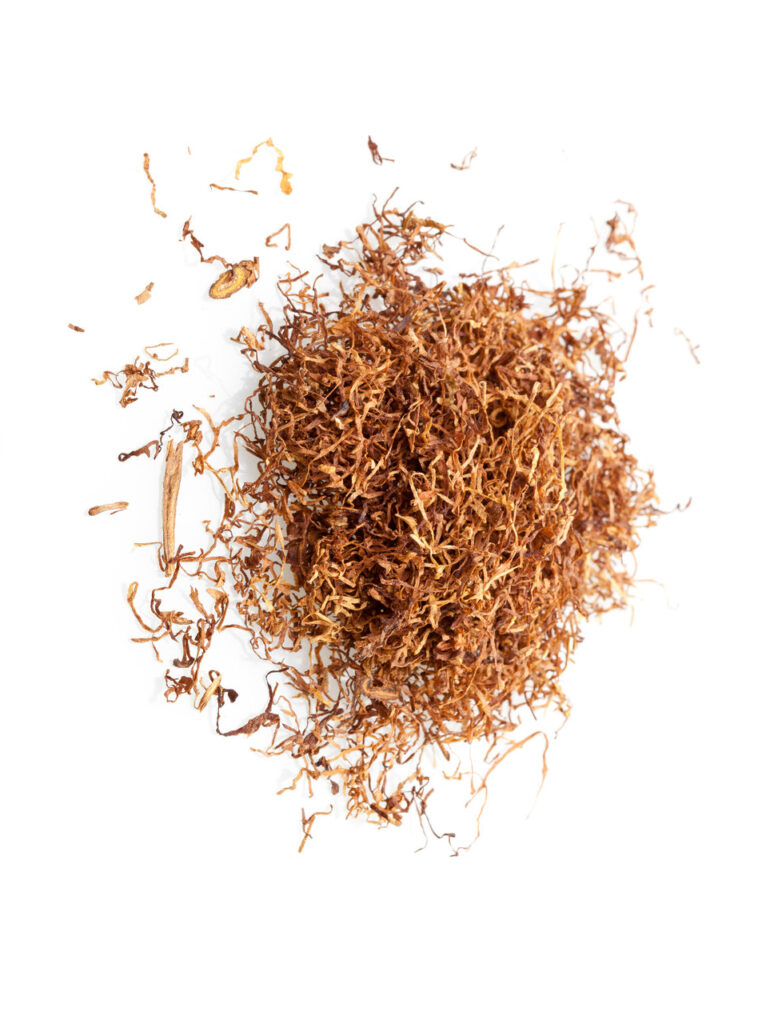
Currently there is no precise formula for high-quality American-style cigarette mix, although there is a general consensus regarding the components of a tobacco mix in terms of tobacco varieties and categories, as well as the proportion of reconstituted tobacco (Recon), expanded tobacco and expanded stem (CRES).
A competitive advantage based on our economical manufacturing model allows us to scale up production with additional savings passed on directly to our business partners.
The choice is obvious
- A full range of blends for the following products: Cigarette, Pipe, Roll your Own (RYO) and Make your own (MYO).
- Wide market segment, from premium to super low cost.
- Advantageous geographical location. We are closer than it might seem.
- Creativity when it comes to finding alternative solutions: suggesting the best route, payment terms, offering superior product.
- Qualified staff who meet all your requirements.
- A viable and healthy company with low operating costs.
- No relationship with any company, but loyal to suppliers who offer a good price / quality balance.
- Our laboratory will become your best friend in the process of finding the perfect blend.
- A small team with a flexible decision making process.